Har Ghar Bijli: Transforming Lives Through Universal Electrification in India
Introduction
The vision of har ghar bijli represents one of the most ambitious and transformative initiatives aimed at ensuring universal access to electricity for every household. In a country as vast and diverse as India, achieving the goal of har ghar bijli is not just about infrastructure—it is about empowerment, inclusion, and progress. Electricity is the backbone of modern living, and the mission of har ghar bijli seeks to bridge the gap between urban and rural development by lighting up every home.
The concept of har ghar bijli goes beyond simply connecting wires; it is about delivering consistent, reliable, and affordable power to all citizens. For decades, millions lived without access to electricity, but the push for har ghar bijli has changed that narrative. Today, this initiative stands as a symbol of development and social equity.
The Importance of Har Ghar Bijli for Development
The implementation of har ghar bijli plays a crucial role in accelerating economic growth and improving living standards. When households gain access to electricity through har ghar bijli, they unlock opportunities for education, healthcare, and entrepreneurship. Electricity allows students to study after sunset, enabling better academic outcomes, all thanks to har ghar bijli.
Moreover, har ghar bijli supports small businesses and rural industries by providing the power needed to operate machinery and tools. This leads to job creation and economic self-reliance. Without har ghar bijli, many communities would remain trapped in cycles of poverty and underdevelopment.
Government Initiatives Behind Har Ghar Bijli
The success of har ghar bijli is largely driven by strong government initiatives and policies. Programs such as rural electrification schemes have been instrumental in bringing the dream of har ghar bijli closer to reality. These initiatives focus on infrastructure development, subsidy distribution, and last-mile connectivity to ensure that har ghar bijli reaches even the most remote villages.
The push for har ghar bijli also includes modernization of power grids and adoption of renewable energy sources. By integrating solar and other clean energy solutions, the mission of har ghar bijli becomes more sustainable and environmentally friendly. Government commitment has been a key factor in achieving milestones under har ghar bijli.
Challenges in Achieving Har Ghar Bijli
Despite significant progress, achieving har ghar bijli comes with its own set of challenges. One of the primary obstacles in the journey of har ghar bijli is geographical diversity, which makes it difficult to extend infrastructure to remote and hilly areas. Additionally, maintaining consistent power supply under har ghar bijli can be challenging due to transmission losses and outdated systems.
Financial constraints also pose a hurdle in the implementation of har ghar bijli, especially when it comes to subsidizing electricity for low-income households. Furthermore, ensuring quality and reliability under har ghar bijli requires continuous monitoring and investment. Overcoming these challenges is essential for the long-term success of har ghar bijli.
Impact of Har Ghar Bijli on Rural India
The impact of har ghar bijli on rural India has been nothing short of transformative. Villages that were once in darkness are now thriving with opportunities, thanks to har ghar bijli. Access to electricity has improved healthcare facilities, allowing clinics to operate equipment and store medicines effectively under har ghar bijli.
In agriculture, har ghar bijli has enabled farmers to use electric pumps for irrigation, increasing productivity and income. Women, in particular, have benefited from har ghar bijli, as it reduces the burden of household chores and enhances safety. The social and economic transformation brought by har ghar bijli is evident across rural landscapes.
Role of Technology in Har Ghar Bijli
Technology plays a pivotal role in the success of har ghar bijli by enabling efficient distribution and management of electricity. Smart meters, grid automation, and digital monitoring systems are key components supporting har ghar bijli. These innovations help reduce power losses and improve billing accuracy, ensuring the sustainability of har ghar bijli.
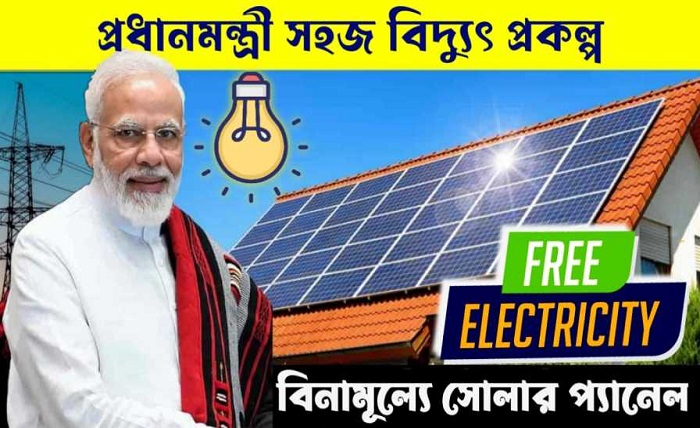
Renewable energy technologies such as solar panels are also contributing to the expansion of har ghar bijli in off-grid areas. By leveraging modern technology, the initiative of har ghar bijli becomes more resilient and adaptable. The integration of technology ensures that har ghar bijli is not just widespread but also efficient.
Future Prospects of Har Ghar Bijli
The future of har ghar bijli looks promising as efforts continue to enhance coverage and reliability. With increasing investments and policy support, har ghar bijli is expected to evolve into a more robust and sustainable system. The focus is now shifting from access to quality, ensuring that har ghar bijli delivers uninterrupted power supply.
Innovations in energy storage and smart grids will further strengthen the mission of har ghar bijli. As India moves towards a cleaner energy future, the integration of renewable sources will play a crucial role in sustaining har ghar bijli. The journey of har ghar bijli is ongoing, with new milestones yet to be achieved.
Social and Economic Benefits of Har Ghar Bijli
The broader social and economic benefits of har ghar bijli are immense and far-reaching. Access to electricity through har ghar bijli enhances the quality of life by enabling better communication, entertainment, and access to information. Households can use appliances that save time and effort, all made possible by har ghar bijli.
Economically, har ghar bijli contributes to increased productivity and income generation. It empowers individuals to start small businesses and engage in income-generating activities. The ripple effect of har ghar bijli is visible in improved living standards and overall national development.
Conclusion
In conclusion, har ghar bijli is more than just an electrification program—it is a movement towards inclusive growth and national progress. By ensuring that every household has access to electricity, har ghar bijli is transforming lives and creating opportunities for millions. While challenges remain, the continued commitment to har ghar bijli will pave the way for a brighter and more equitable future.
The success of har ghar bijli highlights the importance of infrastructure development in shaping a nation’s destiny. As the initiative continues to evolve, it will remain a cornerstone of development and empowerment. The vision of har ghar bijli is not just about light—it is about hope, progress, and a better tomorrow.
FAQs
1. What does har ghar bijli mean?
Har ghar bijli refers to the initiative of providing electricity to every household, ensuring universal access to power.
2. Why is har ghar bijli important?
Har ghar bijli is important because it improves living standards, supports education, and drives economic growth.
3. What challenges does har ghar bijli face?
Har ghar bijli faces challenges such as infrastructure limitations, financial constraints, and maintaining reliable supply.
4. How does har ghar bijli benefit rural areas?
Har ghar bijli benefits rural areas by improving agriculture, healthcare, and overall quality of life.
5. What is the future of har ghar bijli?
The future of har ghar bijli includes better reliability, integration of renewable energy, and advanced technology adoption.